Surprising Brain Defenders: How CD8+ T Cells Slow Down Tauopathy Progression
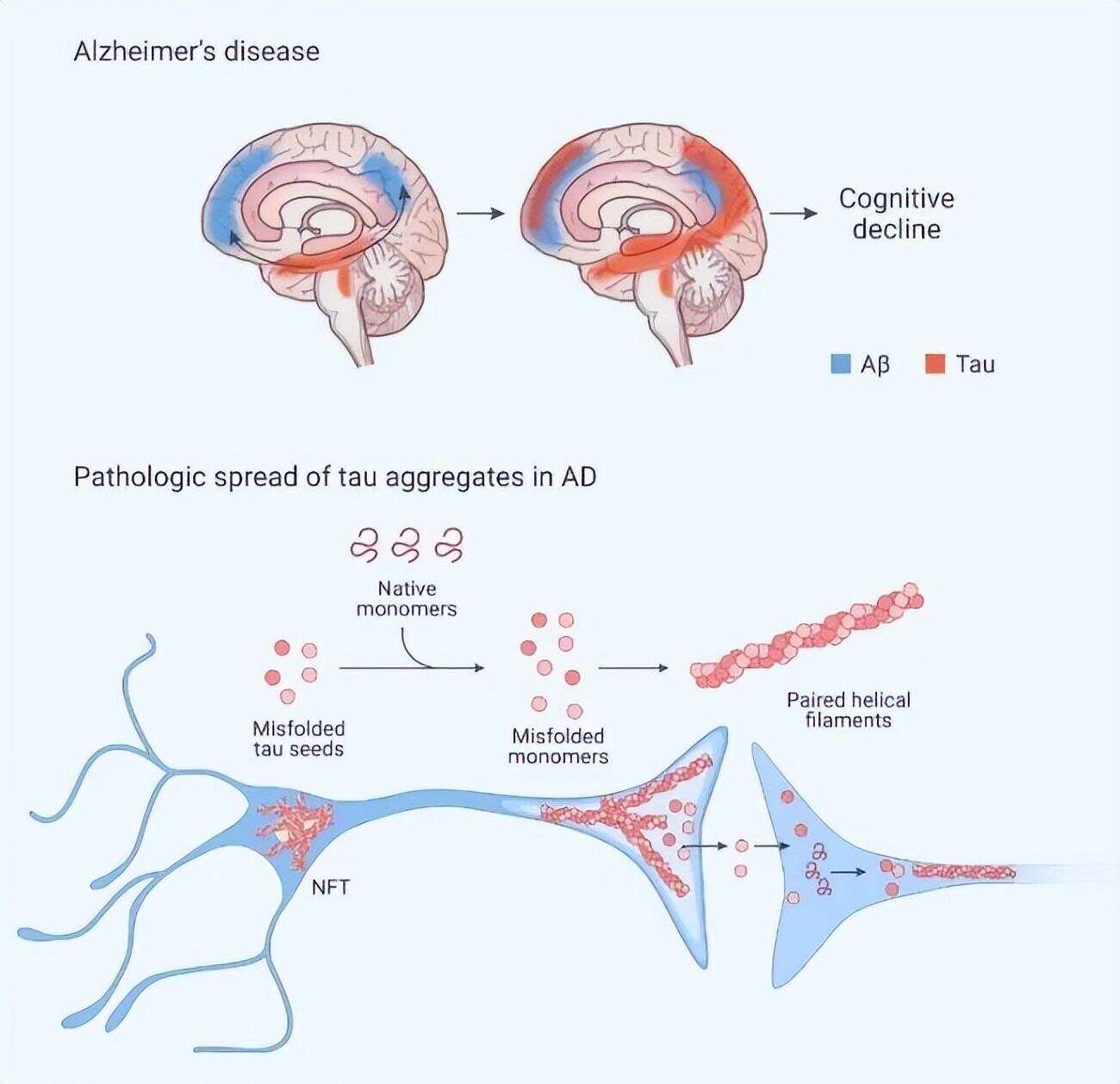
In the fight against neurodegenerative diseases like Alzheimer’s, scientists have traditionally focused on neurons and the infamous tau tangles that clog them. However, new research reveals a surprising group of protectors: immune cells from our own bloodstream. A groundbreaking study published in Nature Immunology shows that a specific type of CD8+ T cell plays a critical role in slowing the progression of tauopathies—a class of diseases characterized by the accumulation of toxic tau protein. This finding has implications for various conditions, from primary age related tauopathy to more specific disorders like tauopathy progressive supranuclear palsy (PSP).
The Delicate Balance of Brain Immunity
The study, led by researchers at the National Institutes of Health (NIH), investigated the complex immune environment in the brains of mice with a tauopathy. They discovered a dynamic interplay between two key players:
- Microglia: The brain’s resident immune cells. In the early stages of disease, they work heroically to contain the spread of phosphorylated tau (pTau), a toxic form of the protein.
- CD8+ T Cells: Typically known for killing virus-infected cells, these adaptive immune cells were found to infiltrate the brain as the disease advances.
The crucial finding is that these CD8+ T cells are not there to cause harm. Instead, they perform a essential “clean-up” duty.
How CD8+ T Cells Act as “Quality Control”
Over time, the chronically activated microglia become dysfunctional and can even start to contribute to inflammation. The research team discovered that a unique subset of CD8+ T cells, marked by a molecule called Granzyme K (GZMK), identifies and clears these exhausted microglia.
This process is vital for brain health. When the researchers created mice lacking CD8+ T cells, the result was accelerated disease: toxic tau spread more rapidly, and motor function declined faster. The dysfunctional microglia were left unchecked, leading to worse outcomes. This mechanism could be at play in different tau-related conditions, whether it’s a common primary age related tauopathy or a rarer form like tauopathy progressive supranuclear palsy (PSP).
A New Therapeutic Pathway
The study suggests that enhancing the protective function of these GZMK+ CD8+ T cells could be a novel therapeutic strategy. Interestingly, when scientists blocked immune checkpoint pathways (like TIGIT and PD-1) on these T cells, it disrupted their controlled activity, causing inflammation to spread and worsening neurodegeneration. This indicates that a delicate balance is needed—the goal is to support these protective T cells, not to unleash an uncontrolled immune response.
Understanding this immune mechanism is a step toward treatments for various tauopathies, including those that affect specific brain functions, such as a tauopathy with special peripheral vision deficits. The principle of immune-mediated clearance of dysfunctional cells could be a universal target.
Implications for Tauopathy Treatment
This research fundamentally shifts our understanding of the brain’s response to tau pathology. It shows that the adaptive immune system can be a coordinated ally in the fight against neurodegeneration. For patients with conditions like tauopathy progressive supranuclear palsy (PSP) or other tauopathies, this opens up a completely new avenue for treatment: immunotherapies designed to boost the brain’s natural “garbage disposal” system to slow disease progression.
Source:
Mason HD, Latour YL, Boughter CT, et al. Granzyme K+ CD8 T cells slow tauopathy progression by targeting microglia. Nat Immunol. 2025;26(7):1152-1167. doi:10.1038/s41590-025-02198-4
This article is for informational purposes only and does not constitute medical advice. Please consult with a healthcare professional for any health concerns.