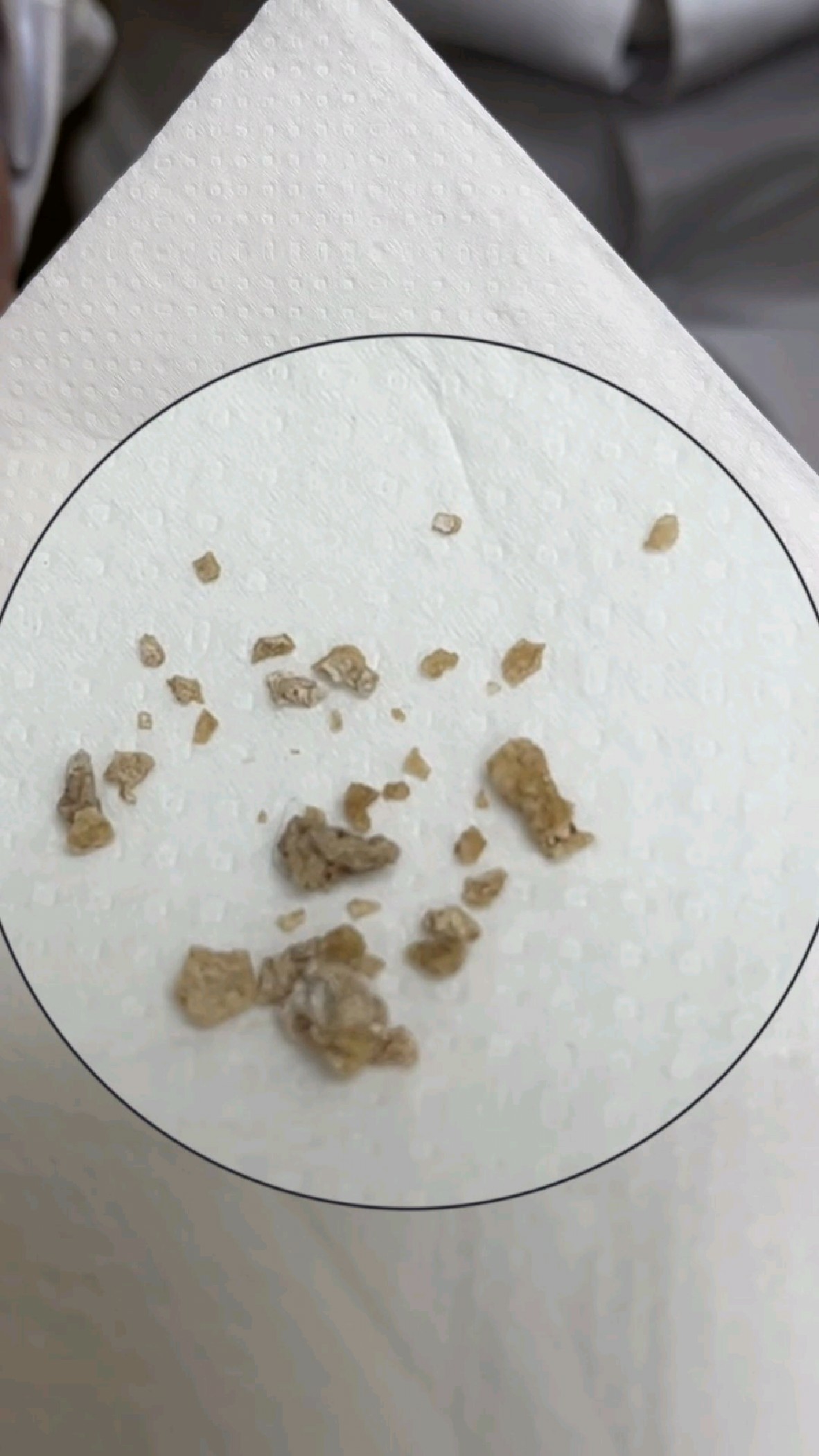
My Experience with Two Episodes of Kidney Stones: A Painful Journey
I’ve suffered from kidney stones twice, both times as sudden, acute attacks. Let me share what I went through.
The first time was in 2019. I was living with my cousin in a rented apartment when, around 3 AM, I suddenly felt a sharp pain. I couldn’t find relief whether lying down or sitting—every position was unbearable. There was a deep ache in my lower left back, along with abdominal pain. I kept feeling the urge to urinate, but each time, very little came out. Soon, I was drenched in cold sweat and crying from the pain. By 5 AM, I woke my cousin and asked him to take me to the hospital.
Barely making it to the emergency room by 6 AM, I was pale and my lips were dry. The doctor asked about my symptoms, and I immediately said, “It might be a kidney stone.” After confirming the signs, the doctor sent me for a CT scan. Within half an hour, the result confirmed it was indeed a kidney stone. The pain was so intense that I felt like stabbing the hurting area just to release the pressure. I was given an IV for pain and inflammation relief. Once the pain eased, I realized how dehydrated I was—my clothes were soaked. The doctor said the stone was small and prescribed me some expulsion medication while advising me to drink more water. It took me three days to fully recover.
The second attack happened on September 29, right before a holiday. At around 5 AM, I was on an early bus to work. I had been fine before boarding, but about ten minutes into the ride, the familiar pain struck—abdominal and back pain, with a heavy sensation in my lower abdomen. I couldn’t stand or sit properly, so I ended up crouching on the floor in the back of the bus, knees pressed against my stomach to ease the discomfort. While searching for nearby hospitals on my phone, I knew it was another kidney stone.
After about 20 minutes of agony at a transfer stop, the pain subsided slightly. I thought maybe I could find a hospital after getting off. But just five minutes after boarding the next bus, the pain surged again. Luckily, this bus passed by a hospital. I rushed straight to the emergency room, not caring how dirty or disheveled I looked. The diagnosis process was the same: suspected stone, CT scan. This time, the stone was 0.5 cm and had moved from my kidney to the ureter. The doctor offered two options: lithotripsy or medication to pass it naturally. I chose medication due to the stone’s location.
After getting the prescription, I ate something quickly since the expulsion pills had to be taken after meals. The backache and abdominal discomfort eased a bit, but the real challenge began during the holiday. Every morning around 4, I would wake up in pain, struggling to find a position that relieved it. By 8 or 9 AM, I could move around again, and by afternoon, I almost felt normal—only to repeat the cycle the next day.
Throughout the holiday, it was a loop: wake up in pain, take medicine, drink water, and go for walks. It wasn’t until after the holiday that I finally felt some relief. I went through four boxes of expulsion medication before finally passing the stone. For those two weeks, urinating was torture—each time filled with fear and pain. I was trapped in a cycle: I needed water to flush out the stone, but drinking meant having to urinate, which I dreaded.
Now that it’s over, I want to share a few reflections:
Health is everything. We often hear this but don’t truly feel it until we experience something painful ourselves.
Learn basic medical knowledge. If you recognize symptoms, act quickly. I was lucky—my cousin was with me the first time, and the second time, I was in a public place. If I had been alone, I could have passed out unnoticed.
Build healthy habits. Force yourself to change unhealthy routines—don’t just follow your cravings.
Exercise regularly. Staying active might help pass stones like the biggest kidney stone before they grow too large.
It’s also helpful to know which foods that contribute to kidney stones to avoid, such as those high in oxalates or sodium. Although mine weren’t the largest kidney stone, the pain was unforgettable. For Spanish speakers, understanding kidney stones in spanish (cálculos renales) can make it easier to seek help or information.
Let’s take better care of our bodies—it’s the only one we have.