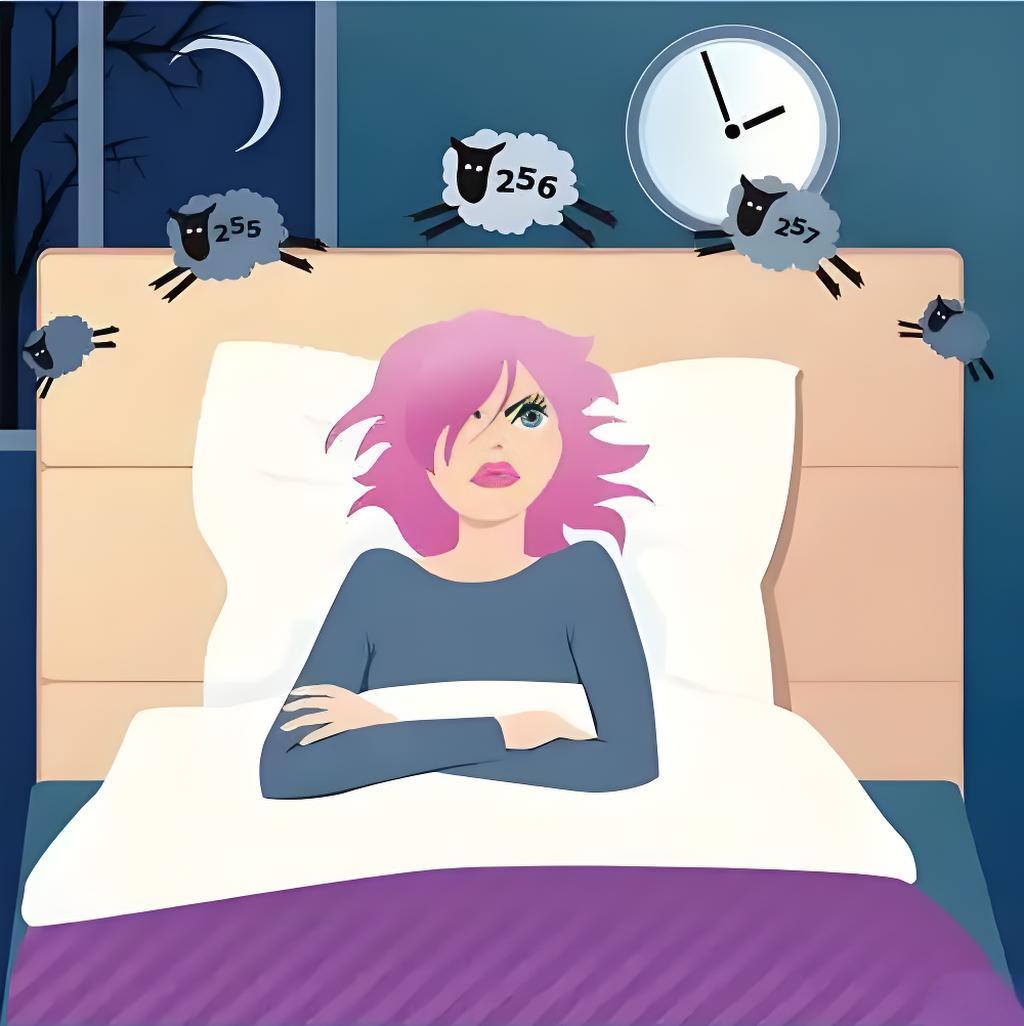
If you’ve ever found yourself staring at the ceiling at 2 a.m., your mind racing, you’re not alone. For years, I struggled with this exact problem. The question of why I can’t sleep early at night plagued me. My journey to understand how to avoid sleep at night—meaning how to stop those unwanted late nights—led me to the work of Stanford neuroscientist Andrew Huberman. By applying his principles, I transformed my sleep schedule. Here’s what worked for me.
The Real Reasons We Struggle to Avoid Sleeping Late
For many of us, the inability to fall asleep isn’t just about willpower. According to Huberman, it often boils down to two key psychological factors: a lack of control over our present environment and a lack of excitement for the next day. This perfectly explained why I can’t sleep early at night for me—my mind was either anxious about the present or unenthused about the future.
The goal isn’t to fight sleep, but to create conditions that make sleep the natural and desirable outcome. Here are the two changes that helped me learn how to avoid sleeping late at night for good.
1. Regain Control at Night to Avoid Sleeping Late
The first step is to make your evening environment safe, comfortable, and predictable. This signals to your brain that it’s time to power down.
- Optimize Your Environment: Focus on sound, temperature, and light. A cool room (18-22°C), quiet surroundings, and dim, non-blue light after 10 p.m. are crucial.
- Create Safety Cues: Simple habits like checking the lock on the door or following a calming bedtime routine can reassure your primal brain that all is well.
- Quiet the Racing Mind: If you can’t stop thinking, try a short breathing meditation or jot down your worries in a notebook. This act transfers the anxiety from your mind to paper.
- The Key Habit: Establish small, completely controllable pre-sleep tasks. For me, it’s reading 10 pages of a physical book. This tiny act of control reinforces that you are in charge, making it easier to avoid sleeping late.
2. Create Morning Excitement to Make Early Sleep Easy
This was the game-changer. If you dread waking up, your body will resist going to sleep. The trick is to build a morning you look forward to.
- Morning Anchor: I started with a short, gentle walk outside right after waking up. This provides natural light exposure to regulate your circadian rhythm and boosts mood-enhancing neurotransmitters.
- Build Positive Feedback: A good morning makes the whole day better. This creates a positive feedback loop. When you know a great day awaits, you’re naturally more inclined to end the current one. This is the most powerful way to avoid sleeping late at night—by making the morning irresistible.
You don’t have to start with exercise. Your reward could be a special coffee, a few minutes of a favorite hobby, or a delicious breakfast. The point is to have a compelling reason to jump out of bed.
The Result: From Night Owl to Early Riser
By focusing on these two pillars—evening control and morning joy—I shifted my schedule from 3 a.m. to midnight sleeps and 11 a.m. to 8 a.m. wake-ups within a month. The struggle of how to avoid sleep at night faded away because I was no longer fighting myself; I was setting myself up for success.
If you’re asking yourself, “why i can’t sleep early at night,” I encourage you to experiment with these strategies. It’s not about forcing sleep, but about building a day—and a night—that you truly enjoy.