Blog
-

2-Hour Antidepressant Breakthrough: Scientists Discover How to Make Depression Medication Work Faster
Breakthrough in Depression Treatment: Scientists Discover New Target for Fast-Acting Antidepressants For millions struggling with major depression, finding relief can be a long and difficult journey. Common medications like SSRIs (e.g., Prozac) often take weeks to work and can have significant side effects. This delay is particularly challenging for individuals…
-
ECT vs. Ketamine: New Study Reveals Which Works Better for Severe Depression
ECT vs. Ketamine for Severe Depression: First Major Analysis Reveals Which Treatment Is More Effective For individuals battling a major depressive episode (MDE)—especially when standard medications have failed—finding a rapidly effective treatment is critical. The severe bipolar manic depression symptoms or debilitating sleep depression symptoms can be overwhelming, leaving patients…
-

Beyond the Trip: How Psychedelics Work as Multi-Target Antipsychotics According to New Research
Beyond the Trip: How Hallucinogens Work as Multi-Target Antipsychotic Drugs The renaissance in psychedelic research continues to deliver surprising insights. Once relegated to the fringes of science, substances like psilocybin (found in “magic mushrooms”) and LSD are now being seriously investigated for their potential to treat severe mental health conditions.…
-

Your Gut Feeling is Real: Scientists Discover Stomach-Brain Synchronization Directly Measures Mental Health
Your Gut Feeling is Real: Scientists Discover Stomach-Brain Connection Directly Linked to Happiness and Mental Health We’ve all experienced “butterflies in the stomach” before a big event or felt a “gut-wrenching” sadness. These common phrases may be more scientifically accurate than we thought. Groundbreaking new research published in Nature Mental…
-
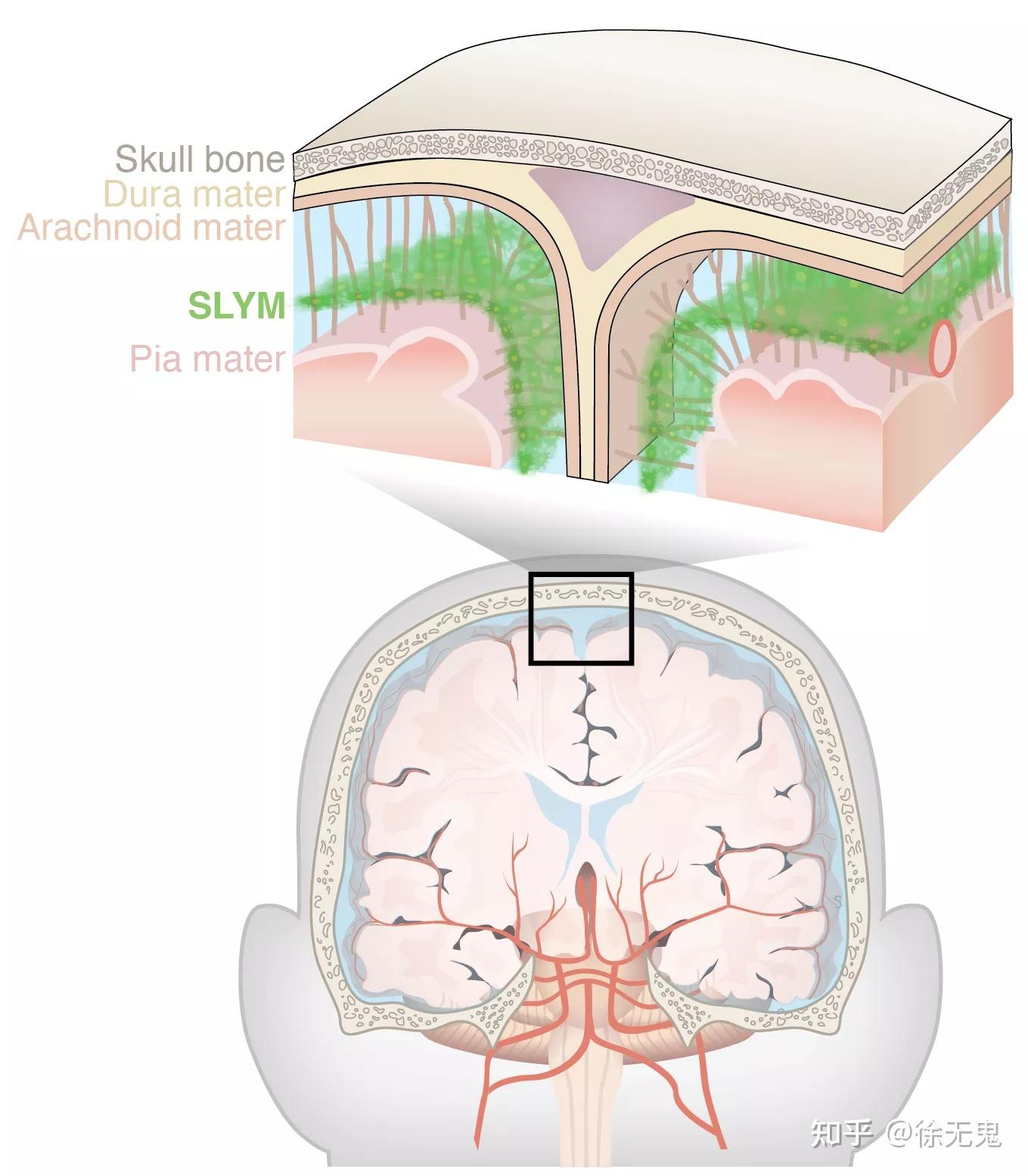
Brain’s Surprising Gatekeepers: How Dural Mast Cells Control Fluid Flow and Block Infections
Title: Brain’s “Gatekeepers” Discovered: How Dural Mast Cells Protect Your Brain from Infection The brain has long been considered a privileged organ, shielded from the immune system. However, groundbreaking research published in Cell is rewriting this textbook chapter. A team from Washington University in St. Louis, led by the renowned…
-
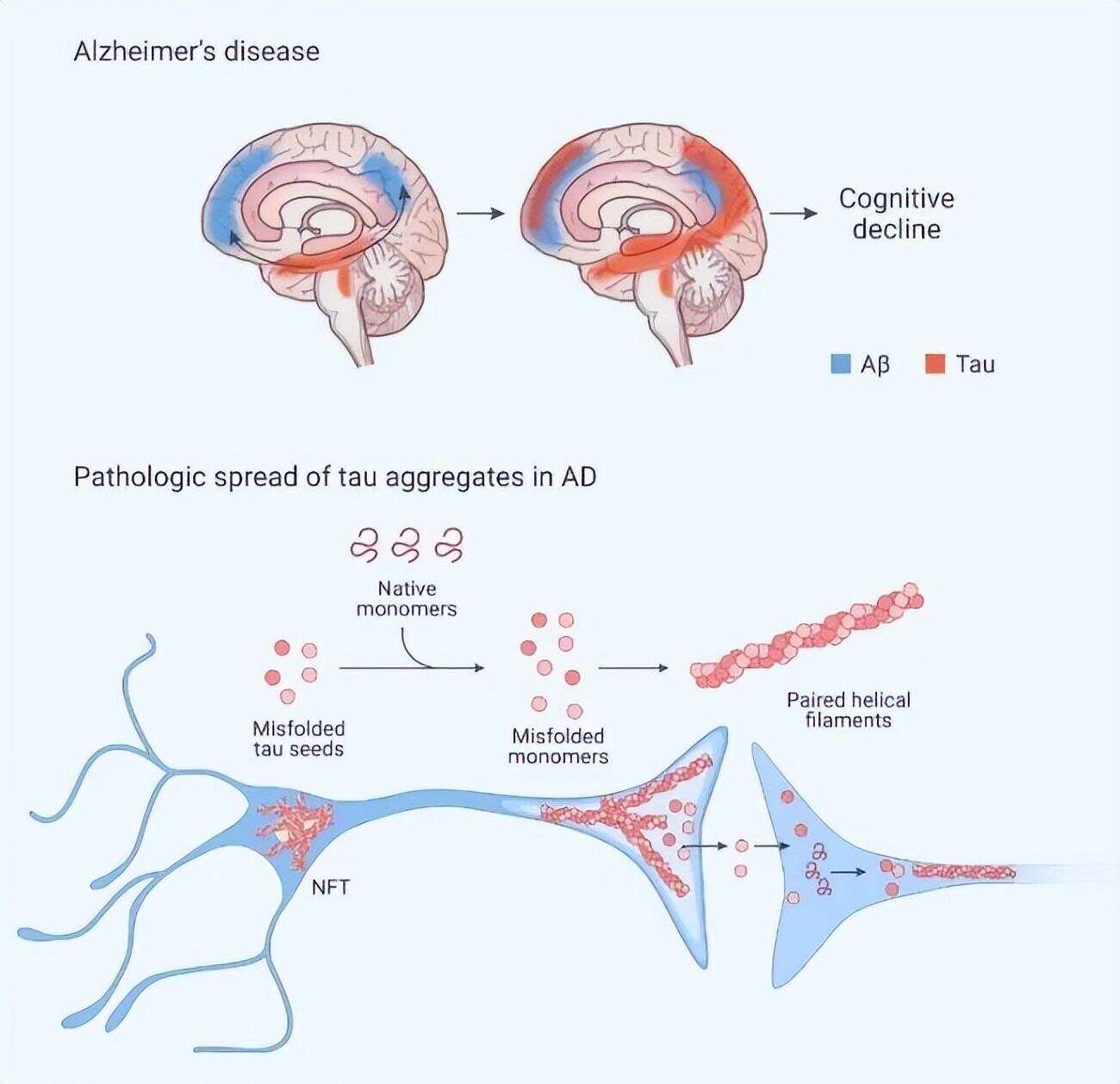
Surprising Brain Defenders: How Your Immune System’s CD8 T Cells Fight Tauopathy and Slow Dementia
Surprising Brain Defenders: How CD8+ T Cells Slow Down Tauopathy Progression In the fight against neurodegenerative diseases like Alzheimer’s, scientists have traditionally focused on neurons and the infamous tau tangles that clog them. However, new research reveals a surprising group of protectors: immune cells from our own bloodstream. A groundbreaking…
-

Autism and Dopamine: New Study Reveals How Levodopa Could Help Treat Social Symptoms
Autism Breakthrough: Fudan Scientists Discover Dopamine Link, Suggesting New Treatment Pathway Autism Spectrum Disorder (ASD) is a complex neurodevelopmental condition with limited pharmaceutical options. The search for effective treatments is challenging due to the diverse underlying mechanisms. However, a new study from Fudan University, published in the journal Neuron, has…
-
Parkinson’s Disease Breakthrough: Scientists Discover Two Distinct Disease Pathways Requiring Different Treatments
Parkinson’s Disease Isn’t One-Size-Fits-All: Scientists Discover Distinct Disease Pathways with Major Treatment Implications For patients and their Parkinson’s disease care team, understanding the progression of the disease is key to managing expectations and treatment. A groundbreaking new study published in Science Advances reveals that Parkinson’s may not be a single…
-

Air Pollution’s Direct Link to Alzheimer’s: New Study Shows PM2.5 Accelerates Brain Damage
Air Pollution’s Hidden Brain Toll: New Autopsy Study Links PM2.5 to Accelerated Alzheimer’s Pathology The air we breathe may be silently accelerating brain aging. While genetics and lifestyle are well-known factors in dementia risk, a compelling new study published in JAMA Neurology points to a pervasive environmental threat: fine particulate…
-
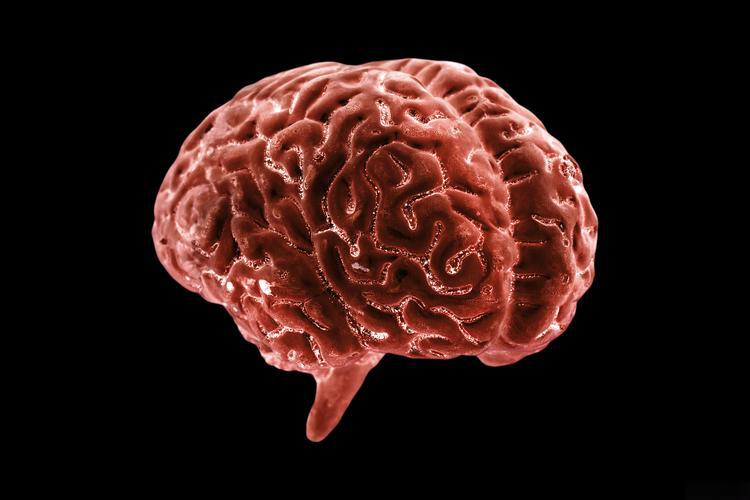
Brain’s Hidden Protector: Scientists Discover How to Supercharge Hemoglobin to Fight Alzheimer’s and Parkinson’s
Korean Scientists Discover New Method to Fight Brain Degeneration by Boosting Hemoglobin’s Power We typically think of hemoglobin as the oxygen-carrier in our blood, but scientists have made a surprising discovery: it’s also present in our brain cells. The role of this brain hemoglobin has been a mystery—until now. New…