Title: Brain’s “Gatekeepers” Discovered: How Dural Mast Cells Protect Your Brain from Infection
The brain has long been considered a privileged organ, shielded from the immune system. However, groundbreaking research published in Cell is rewriting this textbook chapter. A team from Washington University in St. Louis, led by the renowned Jonathan Kipnis, has identified a surprising set of guardians at the brain’s border: dural mast cells. These cells act as master regulators, controlling the flow of cerebrospinal fluid (CSF) and mounting a rapid defense against invading pathogens. It’s important to clarify that while we are discussing their protective role, a common question is, are mast cells cancerous? Typically, no; these are normal immune cells, though rare mast cell cancers do exist.
The Brain’s Secret Drainage System and Its “Valve”
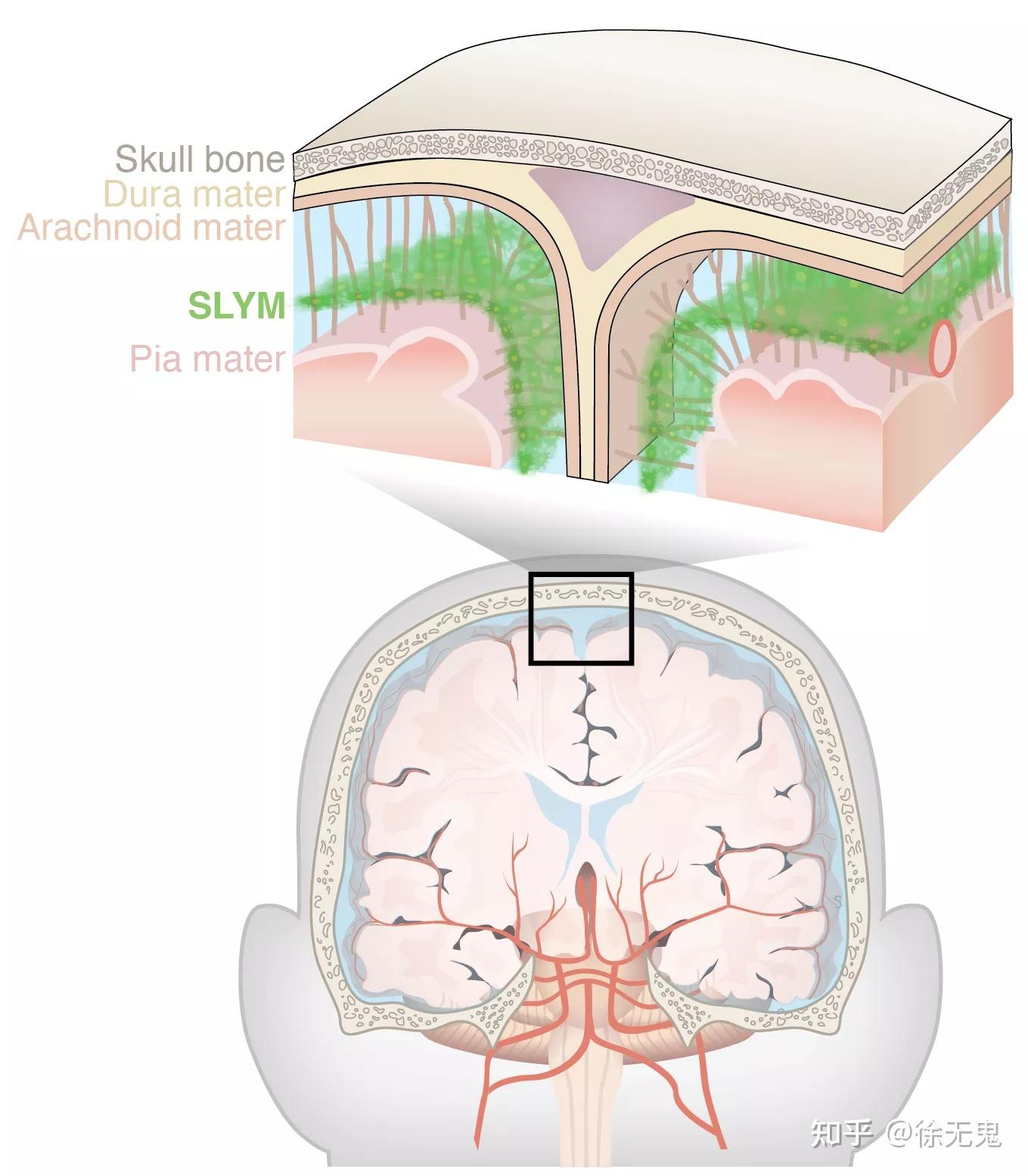
The discovery builds on the team’s prior identification of “Arachnoid Cuff Exit” (ACE) points—tiny portals where cerebrospinal fluid (CSF) drains from the brain into the dura, the outermost membrane. This fluid flow is crucial for washing waste products from the brain.
The new research reveals that dural mast cells cluster around these ACE points, acting like gatekeepers. When the body is healthy, they allow CSF to flow freely. But when a threat is detected, they spring into action.
How Dural Mast Cells Become the Brain’s First Responders
The researchers found that when bacteria like Streptococcus approach the brain, they are detected by the dural mast cells. In response, the mast cells release a signaling molecule called histamine.
This histamine release triggers two critical defense mechanisms:
- Closes the Gates: It causes blood vessels near the ACE points to dilate, which physically narrows the drainage channels. This reduces CSF flow, effectively limiting the pathogen’s ability to use these channels as an entry route into the brain.
- Calls for Backup: It recruits neutrophil immune cells to the site, creating a defensive barrier.
This process is a finely tuned immune response, not to be confused with a dural mast cells rash, which is a skin condition. The activity of dural mast cells in dogs and other mammals is believed to be similar, as this is a fundamental neuroimmune pathway. Understanding this function helps differentiate it from a dural mast cells disease, where the cells themselves may be dysfunctional.
Implications Beyond Infection: Alzheimer’s and Migraines
The role of these cells extends beyond fighting infection. When dysfunctional, they could contribute to neurological diseases. For example, if dural mast cells are chronically overactive, the resulting restriction in CSF flow could impair the brain’s waste-clearance system, potentially allowing toxic proteins like amyloid-beta to accumulate in Alzheimer’s disease. This pathway might also explain the vascular changes and inflammation seen in migraines, which are often linked to mast cell activity.
A New Frontier in Neuroimmunology
This study positions dural mast cells as central players in brain health. They are not just passive residents but active managers of the brain’s environment. This finding opens up new possibilities for treating a range of conditions by targeting these cells. For instance, could modulating mast cell activity help improve CSF flow in neurodegenerative diseases? The answer to are mast cells cancerous is generally no, but learning to control their protective functions could be key to future therapies for brain infections, migraines, and dementia.
Source:
Mamuladze, T., Zaninelli, T.H., Smyth, L.C.D. et al. Mast cells regulate the brain-dura interface and CSF dynamics. Cell (2025). DOI: 10.1016/j.cell.2025.06.046
This article is for informational purposes only and does not constitute medical advice. Please consult with a healthcare professional for any health concerns.