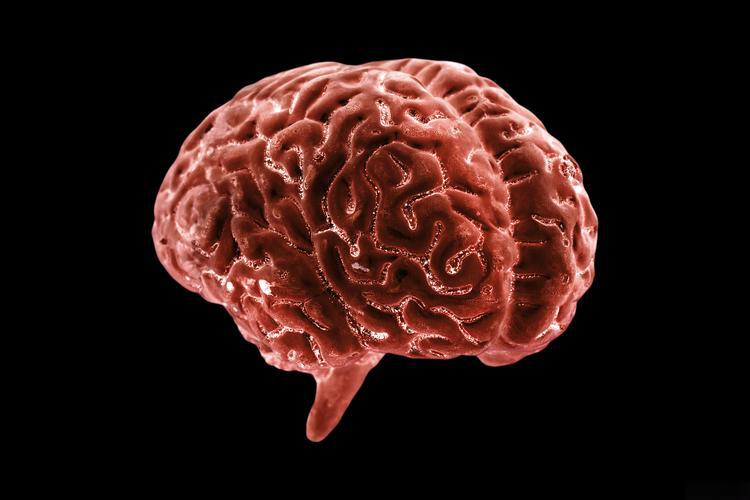
Korean Scientists Discover New Method to Fight Brain Degeneration by Boosting Hemoglobin’s Power
We typically think of hemoglobin as the oxygen-carrier in our blood, but scientists have made a surprising discovery: it’s also present in our brain cells. The role of this brain hemoglobin has been a mystery—until now. New research published in Signal Transduction and Targeted Therapy reveals that hemoglobin acts as a crucial antioxidant in the brain, and a newly developed drug can supercharge its ability to fight degenerative diseases. This finding helps clarify conditions like high hemoglobin brain fog, where iron-related oxidative stress may impair cognition.
The Double-Edged Sword of Brain Hemoglobin
The Korean research team found hemoglobin in astrocytes and dopamine neurons within key memory and movement centers like the hippocampus and substantia nigra. There, it functions as a “pseudoperoxidase,” breaking down harmful hydrogen peroxide (H₂O₂) to reduce oxidative stress.
However, in Alzheimer’s, Parkinson’s, and during aging, excessive H₂O₂ overwhelms and depletes hemoglobin in astrocytes. This creates a vicious cycle of oxidative stress and neurodegeneration. It’s important to distinguish this from vascular issues like a hemoglobin brain bleed or low hemoglobin brain bleed, where physical bleeding causes damage. Here, the problem is a functional depletion of hemoglobin within cells, not blood loss. While a patient might ask, “can a hematoma cause low hemoglobin?” due to bleeding, this study addresses a different, metabolic cause of hemoglobin dysfunction inside neurons.
A Molecular Booster: Drug KDS12025
To break this cycle, researchers developed a small molecule drug, KDS12025, designed to enhance hemoglobin’s peroxidase activity by 100-fold. This booster allows hemoglobin to effectively clear H₂O₂ even at low levels, without affecting its oxygen-carrying function. The drug successfully crosses the blood-brain barrier, making it a practical therapeutic candidate.
Promising Results Across Disease Models
The team tested KDS12025 in cell and animal models of several conditions:
- Alzheimer’s Disease: Reduced amyloid-beta plaques and improved cognition in mice.
- Parkinson’s Disease: Protected dopamine neurons, reduced alpha-synuclein clumps, and improved motor function.
- ALS (Lou Gehrig’s Disease): Extended lifespan and improved muscle function.
- Aging: Treated aged mice lived approximately 14% longer and showed better coordination and memory.
The therapy was effective only in the presence of hemoglobin, confirming it works by enhancing the brain’s natural defense system. This mechanism is distinct from events like a hemoglobin brain bleed, where the priority is to stop physical bleeding. Understanding the difference is key: one is a molecular repair process, the other a surgical emergency. Similarly, while a doctor might investigate if a hematoma can cause low hemoglobin from blood loss, this treatment aims to fix the function of hemoglobin already inside brain cells.
A New Pathway for Treatment
This research is groundbreaking because it leverages the brain’s existing machinery to fight back against degeneration. By supercharging hemoglobin, KDS12025 restores redox balance, reduces inflammation, and protects neurons. It offers a unified strategy that could be effective against multiple neurodegenerative diseases and even aging itself, providing a new answer to the challenges of high hemoglobin brain fog and oxidative stress.
Source:
Won, W., Lee, E.H., et al. Hemoglobin as a pseudoperoxidase and drug target for oxidative stress-related diseases. Sig Transduct Target Ther 10, 270 (2025). https://doi.org/10.1038/s41392-025-02366-w
This article is for informational purposes only and does not constitute medical advice. Please consult a healthcare professional for any health concerns.