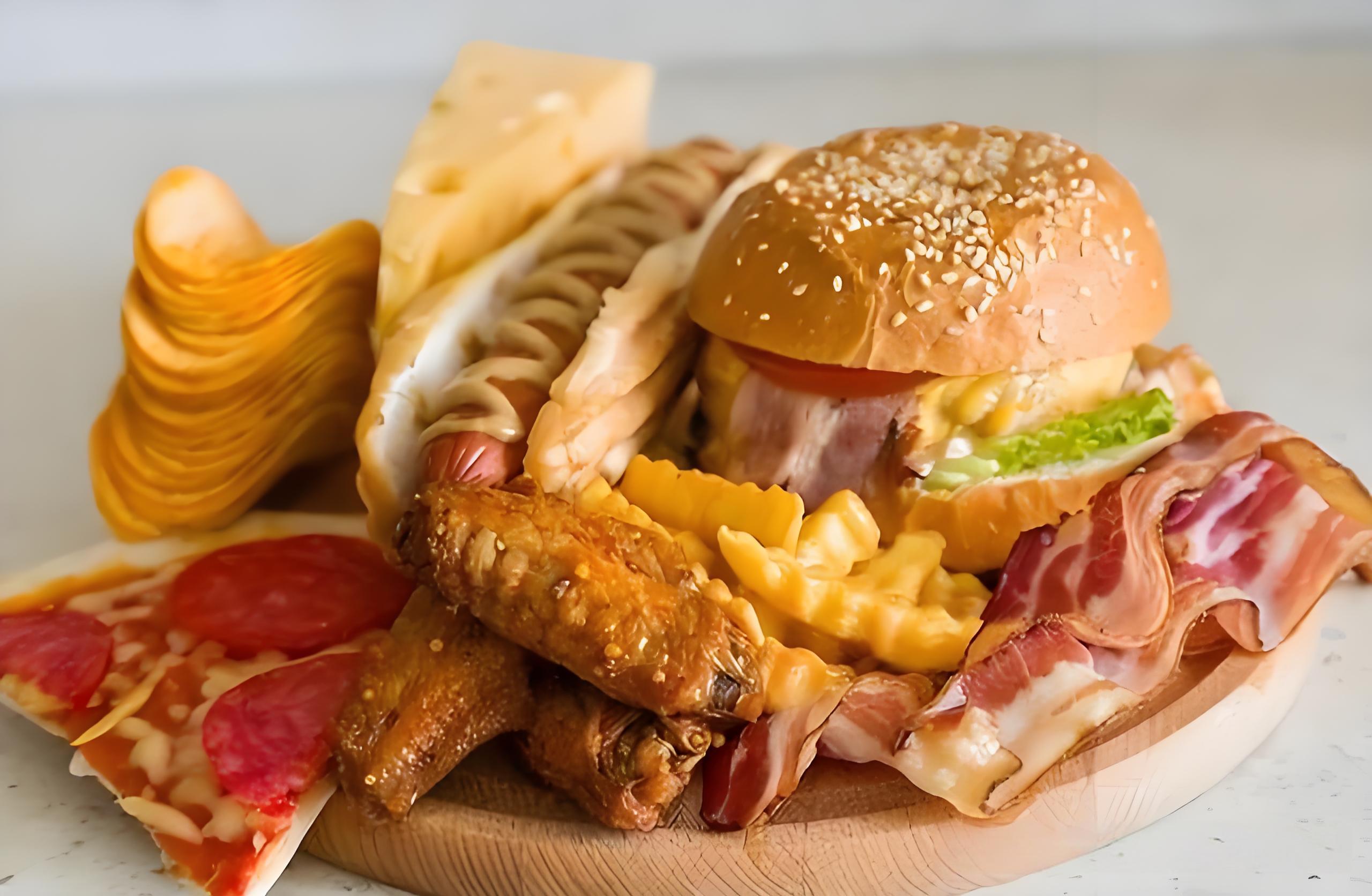
Feeling Foggy After Fast Food? Science Confirms Your Brain on a High-Fat Diet
We’ve all been there—enjoying some fried chicken or a juicy burger, only to feel mentally sluggish afterward. That brain fog isn’t just in your imagination. Groundbreaking research published in Neuron reveals that even short-term consumption of a typical high-fat diet for weight loss enthusiasts might avoid can directly impair your memory and cognitive function. But before you swear off all fats, it’s crucial to distinguish between unhealthy fast food and strategic approaches like a well-formulated high-fat low-carb diet.
The Study: How Just 5 Days of Fast Food Affects Your Brain
Researchers conducted experiments where mice were switched to a high-fat diet similar to human fast food. The results were startling:
- After only 5 days, mice showed significant memory deficits
- They struggled with recognizing object placement changes
- They had difficulty recalling fearful experiences
- These cognitive changes occurred even before any weight gain or blood sugar issues appeared
This demonstrates that the brain responds to poor nutrition almost immediately, independent of broader metabolic changes.
The Culprit: Overactive “Glucose-Sensing” Neurons
The researchers identified a specific group of neurons in the hippocampus (the brain’s memory center) called CCK interneurons as the key players. These neurons normally help regulate memory formation, but:
- They’re designed to be suppressed when glucose is available
- High-fat diets reduce glucose transport to the brain
- Without glucose’s suppressing effect, these neurons become hyperactive
- This hyperactivity disrupts normal memory processing
When researchers artificially suppressed these overactive neurons, memory function returned to normal—even while the mice continued their high-fat diet.
Differentiating Between High-Fat Diets
This is where understanding the high-fat diet benefits of properly formulated plans becomes crucial. The study examined diets mimicking fast food—high in unhealthy fats and processed carbohydrates. This differs significantly from a controlled high-fat low-carb diet like the ketogenic diet, where the high-fat diet benefits include stable energy and potential cognitive enhancement through ketone production.
The distinction matters because many people exploring a high-fat diet for weight loss might choose unhealthy options, unaware of the cognitive consequences. Meanwhile, those following a medically-supervised high-fat low-carb diet often report improved mental clarity among the various high-fat diet benefits.
The Good News: There’s a Solution
The researchers found two effective interventions:
- Increasing glucose availability to the brain restored normal neuron function
- Directly suppressing the overactive neurons reversed memory deficits
This suggests that strategic nutritional interventions could help mitigate the cognitive impact of occasional poor dietary choices.
Practical Takeaways for Your Diet Choices
While this research might seem to contradict the popular high-fat diet for weight loss approaches, the key is understanding that not all high-fat diets are created equal. The study examined nutritionally-poor fast food diets, not the carefully balanced high-fat low-carb diet plans that many find effective.
If you’re considering a high-fat diet for weight loss, focus on:
- Quality fats from avocados, nuts, and olive oil
- Minimal processed foods and sugars
- Plenty of non-starchy vegetables
- Professional guidance to ensure nutritional adequacy
The cognitive benefits of a properly managed high-fat low-carb diet highlight that the high-fat diet benefits come from food quality and overall nutritional balance, not just fat content alone.
Source:
Targeting glucose-inhibited hippocampal CCK interneurons prevents cognitive impairment in diet-induced obesity. Neuron (2025). DOI: 10.1016/j.neuron.2025.08.016
This article is for informational purposes only and does not constitute medical advice. Please consult with a healthcare professional before making any significant dietary changes.