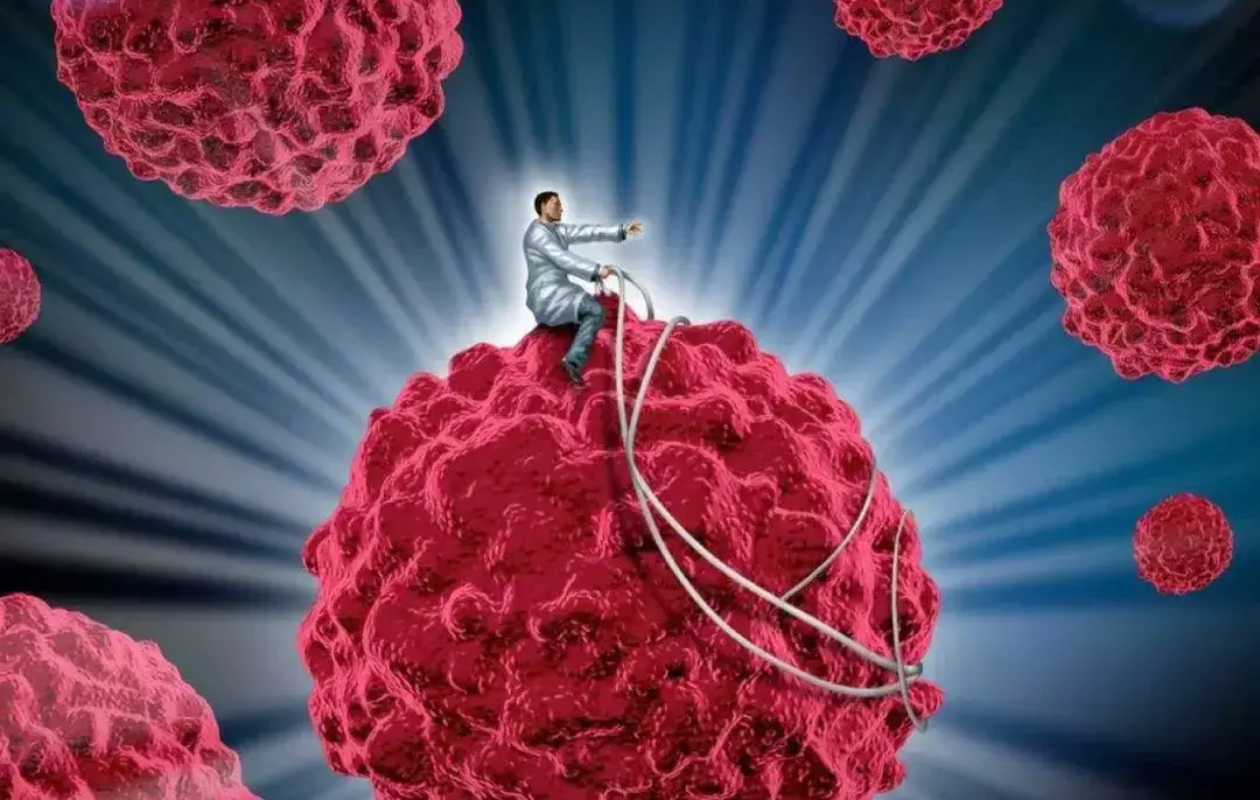
Beyond Traditional Chemo: MIT’s Revolutionary “Bottlebrush” Particles Deliver Precision Cancer Strike
In the ongoing battle against cancer, the eternal challenge has been how to deliver powerful chemotherapy drugs directly to tumors while sparing healthy tissues. Traditional chemotherapy often feels like using a sledgehammer to crack a nut – effective but destructive. However, a groundbreaking new approach from MIT scientists might finally change this paradigm. Published in Nature Biotechnology, this research introduces revolutionary Antibody-Bottlebrush Conjugates (ABCs) that could transform how we treat cancer, offering new hope for patients experiencing various symptoms, from the early symptoms of head tumor to more advanced manifestations.
The Problem with Current Treatments
Traditional chemotherapy circulates throughout the entire body, causing devastating side effects because it can’t distinguish between cancerous and healthy cells. While Antibody-Drug Conjugates (ADCs) represented a step forward by using antibodies to target cancer cells, they have a major limitation: each antibody can only carry about 8 drug molecules. This forces doctors to use extremely potent drugs, which still cause significant collateral damage.
This limitation becomes particularly problematic when dealing with cancers where early symptoms of head tumor might be subtle, or when patients wonder what does a testicular tumor feel like but hesitate to seek immediate care. The need for more precise, less toxic treatments has never been more urgent.
The “Bottlebrush” Breakthrough
MIT’s Jeremiah Johnson lab has developed something truly innovative: Antibody-Bottlebrush Conjugates that look like microscopic Christmas trees. Each “bottlebrush” consists of a central polymer backbone with hundreds of drug molecules branching off like needles on a pine tree. These are then attached to targeting antibodies that seek out cancer cells with remarkable precision.
The numbers tell an impressive story:
- 100x more drugs per antibody compared to traditional ADCs
- 100x lower doses needed for the same therapeutic effect
- Multiple drug types can be delivered simultaneously
How This Helps Overcome Cancer’s Defenses
Cancer cells often develop resistance by finding ways around single-drug attacks. They can also bypass normal cellular controls when tumor suppressor genes become mutated. The ABC platform addresses this by delivering combination therapies directly to cancer cells, overwhelming their defense mechanisms.
For patients concerned about what does a testicular tumor feel like or noticing the early symptoms of head tumor, this technology could eventually mean treatments that are both more effective and far gentler on the body.
Real-World Results and Future Potential
In mouse models of breast and ovarian cancer, the results were dramatic. The ABC particles:
- Completely eliminated tumors in many cases
- Outperformed two FDA-approved ADC drugs
- Showed significantly reduced side effects
- Worked with multiple targeting antibodies and drug combinations
The technology’s flexibility means it could be adapted for various cancer types. Researchers are already exploring targeting EGFR (common in lung and colon cancers) and combining chemotherapy with immunotherapy drugs.
A New Hope for Cancer Treatment
While questions like what does a testicular tumor feel like remain important for early detection, and understanding tumor suppressor genes helps us comprehend cancer development, the ABC platform represents the future of cancer treatment: smart, targeted, and adaptable.
As research continues, this technology could eventually make cancer treatment more like a precision strike than a blanket bombardment – giving patients better outcomes with fewer side effects, and bringing us closer to the day when cancer is no longer a fearsome diagnosis.
Source:
Liu, Bin et al. “Antibody-bottlebrush prodrug conjugates for targeted cancer therapy.” Nature Biotechnology (2025). doi:10.1038/s41587-025-02772-z
This article is for informational purposes only and does not constitute medical advice. Please consult with healthcare professionals for any health concerns.